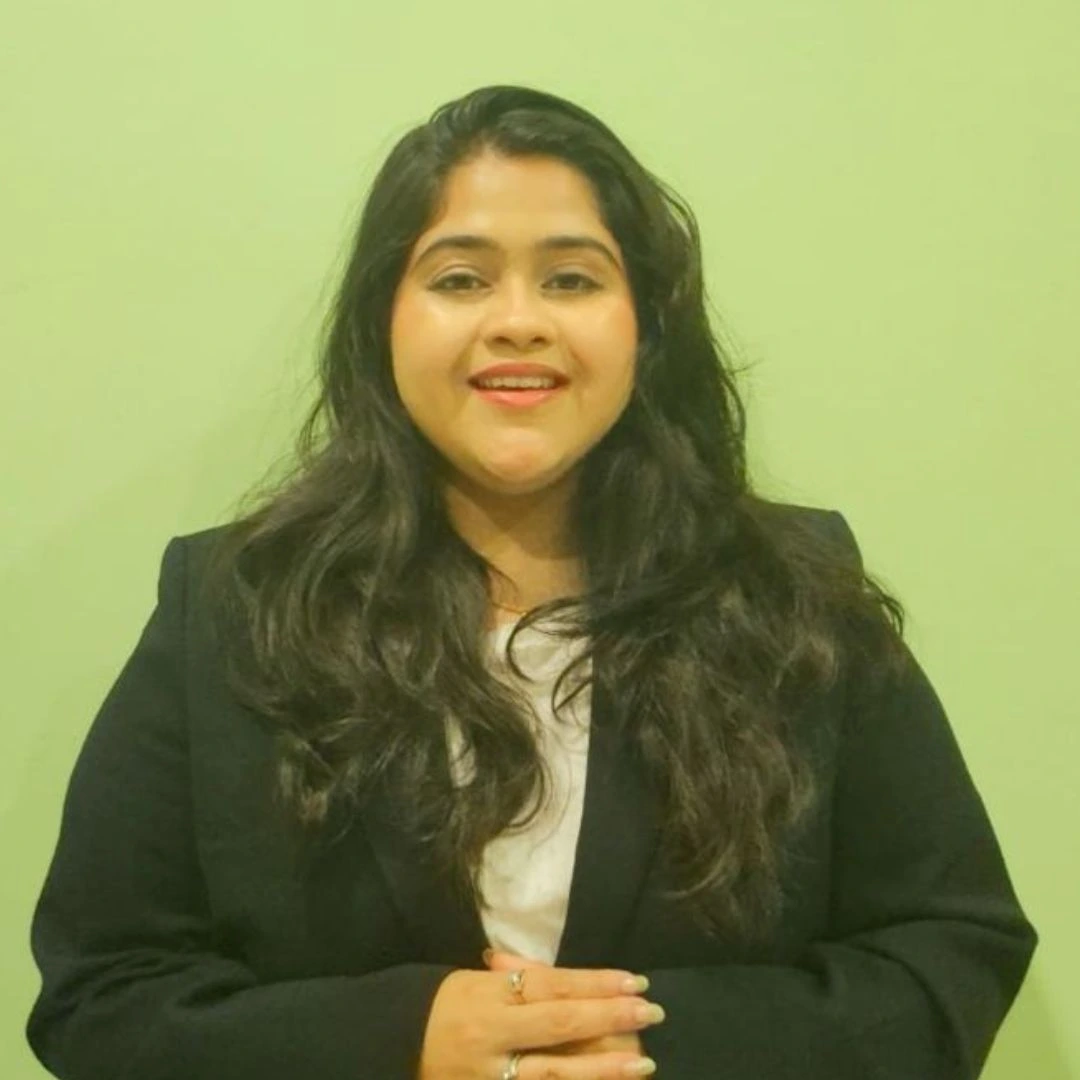
I am proud to be part of the Gapup Academy Community. 1 week ago, I took the course of Complete Wealth Plan. It’s an action-oriented course, it’s all about practically investing in stocks, FDs, mutual funds, and all sources. The support you will get here is next level.
Ganesh Sir has done all he can from doing weekly live with community, giving feedback, and all the support he can. It’s just BEST!
Communication is definitely the most important skill to learn, and if you are not taking Guyup Academy’s course (which by the way may not feel like a course),
you are missing something really important.
Priya Kumari
Student
Mera naam Priya hai, main Delhi se hoon. Pehle mujhe lagta tha trading gambling hai, lekin GapUp Academy ne mujhe proper analysis aur strategy ka importance samjhaya. Thank you GapUp Academy team.
Piyush Kumar
Student
Mera naam Piyush hai, main Bangalore se hoon. GapUp Academy ka learning system bahut practical hai.
Real market examples ke saath training milti hai.
Ayan Kumar
Student
Mera naam Ayan hai, main Kolkata se hoon. GapUp Academy ka teaching style bahut simple aur practical hai. Isliye GapUp Academy mein concepts easily samajh aate hain.
Sonali Kumari
Student
Mera naam Sonali hai, main Noida se hoon. GapUp Academy ka learning environment bahut positive aur supportive hai. Isliye students ko GapUp Academy mein motivation milta hai.
Frequently Asked Questions
What should I learn first: fundamentals, technical analysis, options, or commodities?
Start with stock market fundamentals (what stocks are, how companies make money, reading financial statements). Once comfortable, learn technical analysis (price action, trends, indicators) and practice on a demo account. Only after you understand both should you explore options and commodities — they’re powerful but more complex and require strong risk management.
How much money do I need to start trading?
You can practice with zero real money using paper trading. For live trading, start with an amount you can afford to lose — enough to cover meaningful position sizing but small enough to protect your finances. Many students begin with a few thousand rupees to test discipline and fees; adjust as your skill and risk tolerance grow.
How long will it take to become consistently profitable?
There’s no fixed timeline. With focused study and disciplined practice, expect several months to a few years to develop consistent results. Progress depends on study time, quality of practice, emotional control, and proper risk management.
What are the most important rules for managing risk?
Key rules: (1) never risk more than a small percentage of your capital on a single trade (commonly 1–2%), (2) always use stop-losses, (3) size positions based on risk, not emotion, (4) keep a trading journal and review losing trades, and (5) avoid overtrading — quality beats quantity.
Can students trade options and commodities right away? Any prerequisites?
Yes — but only after mastering basics and paper trading. Prerequisites: clear understanding of underlying stocks, margin and leverage mechanics, option Greeks (for options), and commodity contracts/expiry details. Start by learning strategies with low complexity (covered calls, protective puts) and simulate trades before using real margin.